
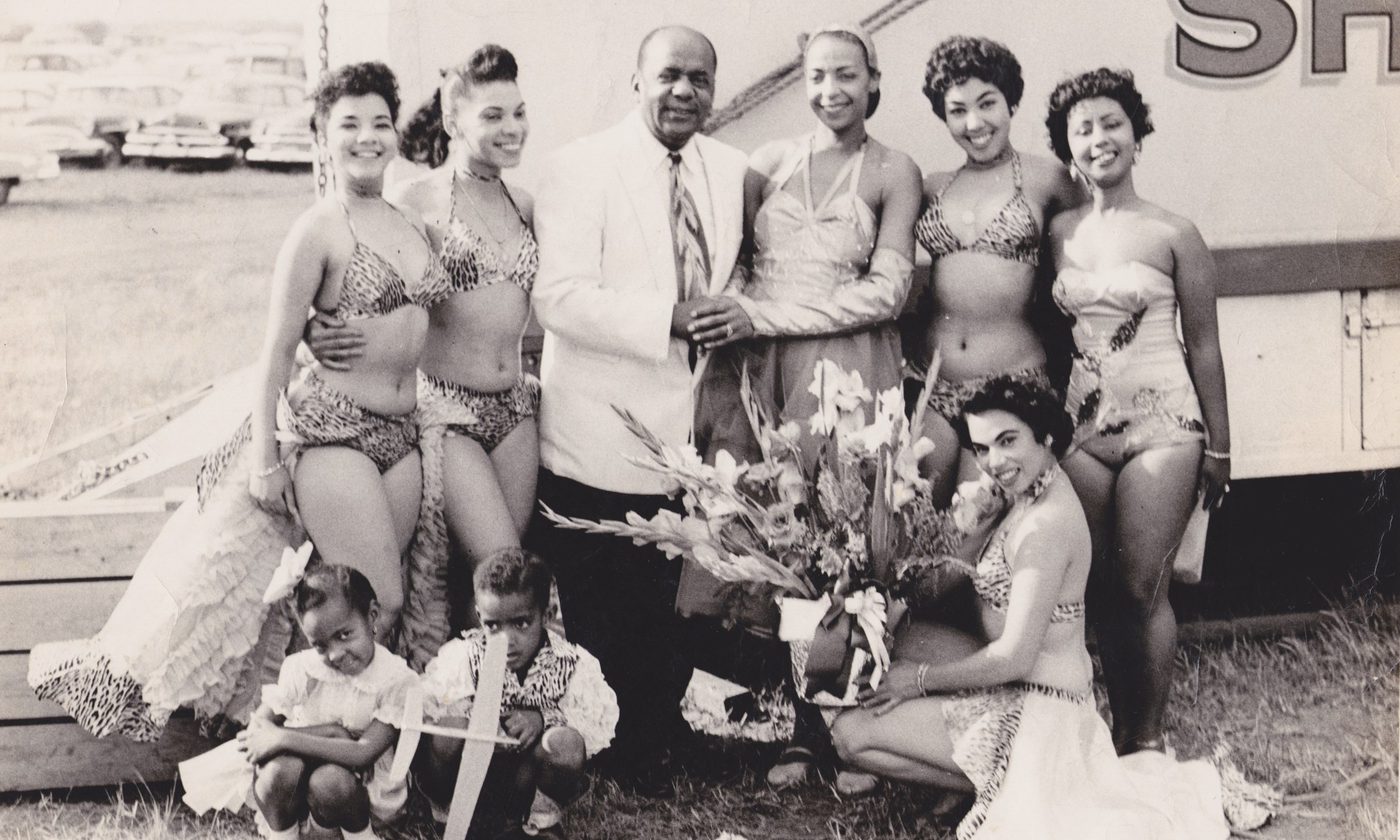
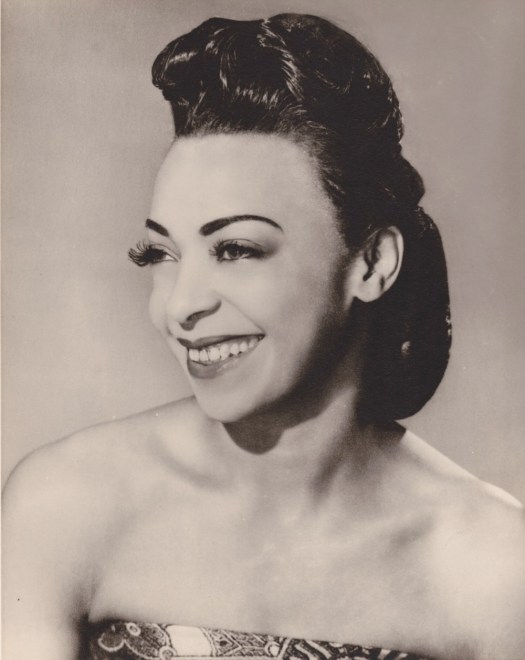
Gwendolyn Bates Claxton was not only the glamorous leading lady of Leon Claxton’s legendary Harlem in Havana Revue, she was one of the brilliant women who helped build and sustain one of the most important Black traveling entertainment shows in North American history.
A dazzling performer, choreographer, co-manager, and businesswoman, Gwendolyn stood at the center of a groundbreaking cultural movement that fused Black and Cuban music, dance, burlesque, and showmanship during the Jim Crow era.
Born into the talented Bates family, Gwendolyn performed alongside her sisters Shirley and Delores as part of the famed Bates Sisters. Onstage, she brought elegance, sensuality, and precision to Harlem in Havana’s electrifying productions.
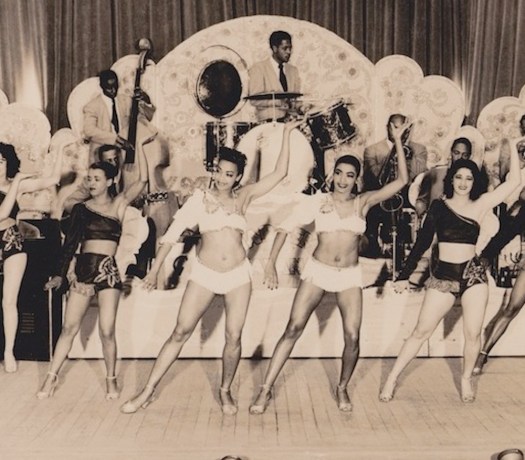
Offstage, she helped manage the touring revue, shaping choreography, operations, and the daily realities of keeping a major Black entertainment enterprise running across segregated America.
In 1938, Gwendolyn married legendary showman in Saskatoon, Canada. Together, they built Harlem in Havana into one of the most successful and influential Black midway revues of the twentieth century. The show became known for its stunning brown-skin showgirls, Afro-Cuban rhythms, jazz orchestras, comedy acts, and fearless celebration of Black beauty and artistry at a time when opportunities for performers of color were deeply limited.
After Leon Claxton’s death in 1967, Gwendolyn continued carrying the family legacy forward. She helped oversee Claxton Manor Motel in Tampa, Florida—one of the few integrated and Black-friendly accommodations in the segregated South, where entertainers, athletes, and travelers could gather in dignity and style. Claxton Manor became a cultural landmark and symbol of Black excellence, hospitality, and resilience.
Today, Gwendolyn Claxton’s legacy lives on through the and the documentary film, which continues reclaiming the history of the extraordinary performers who transformed carnival stages into spaces of glamour, resistance, and cultural pride.
Contact us to learn more.
 Harlem in Havana®