
Leon Claxton: Tampa’s Trailblazing Showman and Cultural Icon






Leon Dunkins Claxton Sr. (1902–1967) left a lasting mark on Tampa through his creativity, entrepreneurship, and dedication to community. His work shaped the city’s cultural landscape and continues to inspire artists, civic leaders, and residents today.
Harlem in Havana: Tampa’s Cultural Anchor
Claxton produced Harlem in Havana, a groundbreaking traveling revue blending African American and Afro-Cuban music, dance, comedy, and showgirls. From the 1930s through the 1960s, the show toured state fairs and carnivals across the U.S. and Canada, introducing audiences to exciting new entertainment and breaking racial barriers in performance.
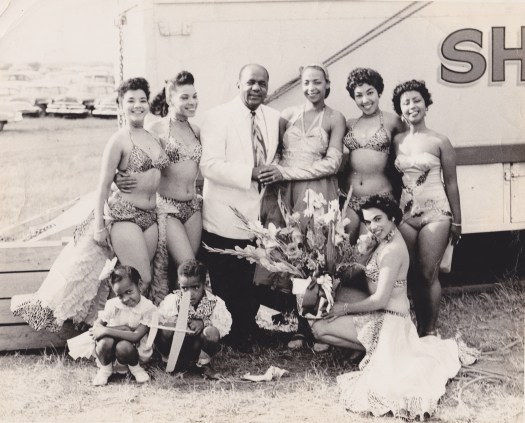
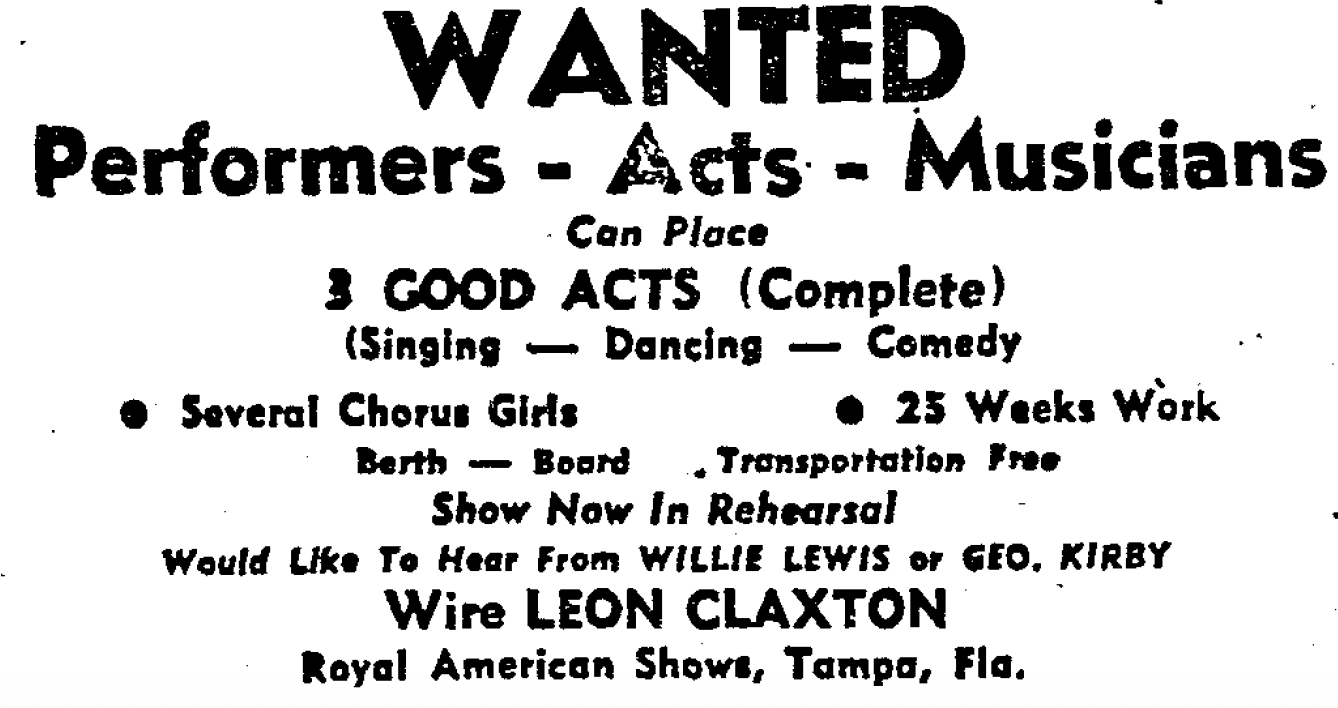
When Claxton first brought his Harlem in Havana show to Tampa in the late 1930s, his troupe traveled and stayed aboard their show trains (car 66), a standard practice for large carnival companies of the era that allowed performers to live and eat together while moving from fair to fair during the winter season.
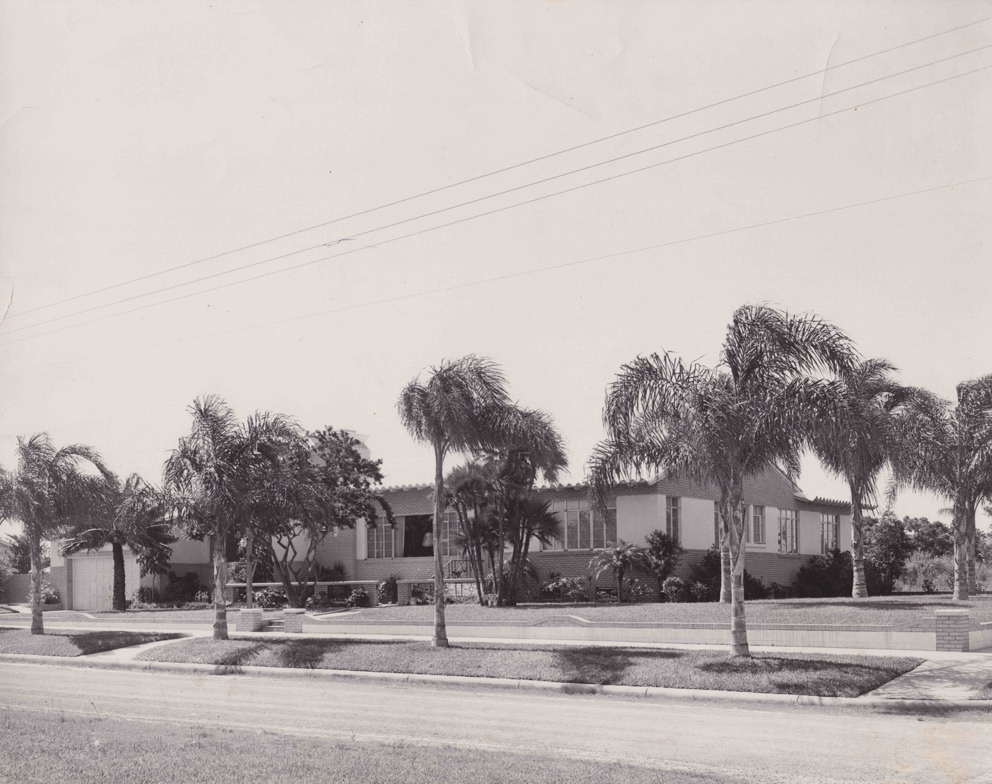
As his production grew and became firmly rooted in the city, Claxton established a permanent base in Tampa — building his family home at 1901 W. Grace Drive, which served as both his residence and a headquarters for managing the show’s winter operations.

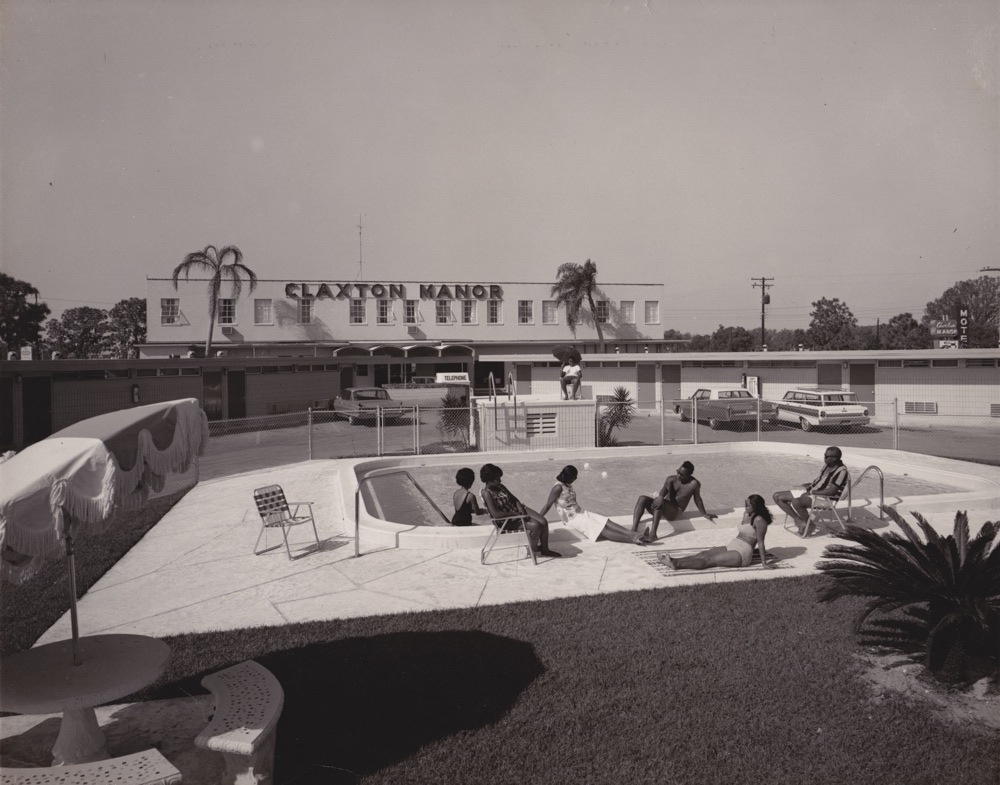
He also invested in property in West Tampa, most notably the Claxton Manor Motel, further anchoring his life and business in the community. These investments, along with the success of Harlem in Havana, helped him accumulate substantial wealth and become one of Tampa’s earliest Black millionaires.
Claxton Manor Motel: Pioneering Hospitality in Tampa
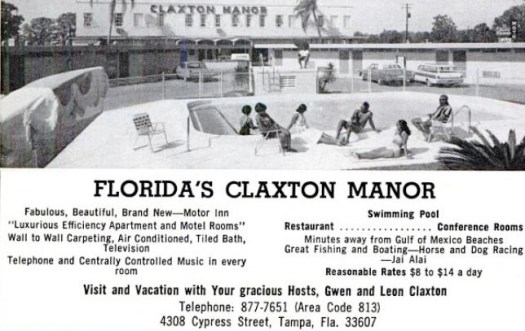
In 1965, Claxton opened Claxton Manor Motel, one of the first integrated hotels in the Tampa–St. Petersburg area. Located in West Tampa, the 40-unit motel offered dignity, comfort, and hospitality to African American travelers at a time when many hotels were segregated.
Claxton Manor also became a community hub, hosting events and celebrations that brought people together. It welcomed entertainers, athletes, and civic leaders, providing hospitality and respect during a challenging era.

Local Nightlife & Community Influence
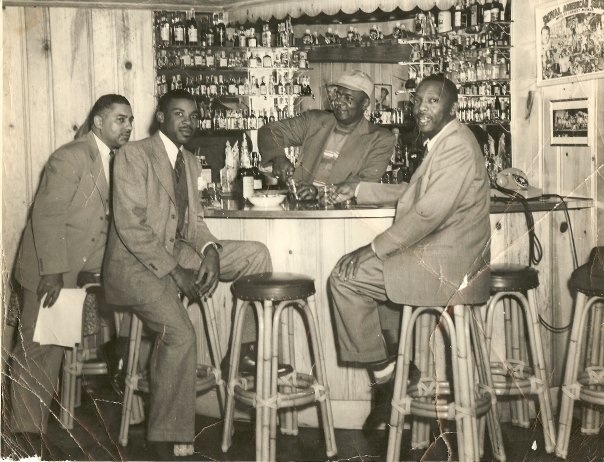
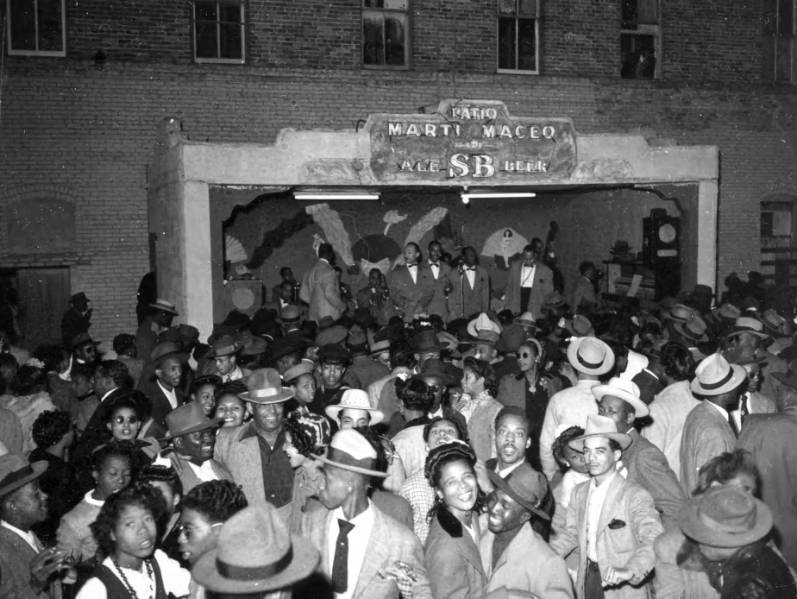
While Harlem in Havana was known for state fair and carnival stages across North America, Claxton also maintained strong ties to Tampa’s vibrant Black and Latin entertainment scene during the off‑season. Tampa’s Central Avenue — home to venues like Joyner’s Cotton Club and other performance halls that anchored the city’s Chitlin Circuit — was the cultural heart of Black nightlife in the city when Claxton was based here.
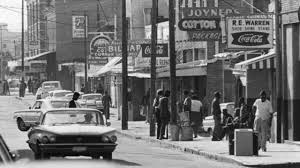
During winters when his troupe was not on the road, Claxton and members of his company were part of a broader community of musicians and performers in Tampa’s nightclubs and social clubs, contributing to the rich local entertainment ecosystem. Off carnival season, Claxton’s Harlem in Havana revue also played at nearby, historic social clubs such as La Unión Martí‑Maceo, which catered to Afro‑Cuban and Latin communities in Tampa.
Civic Recognition, Philanthropy & Activism
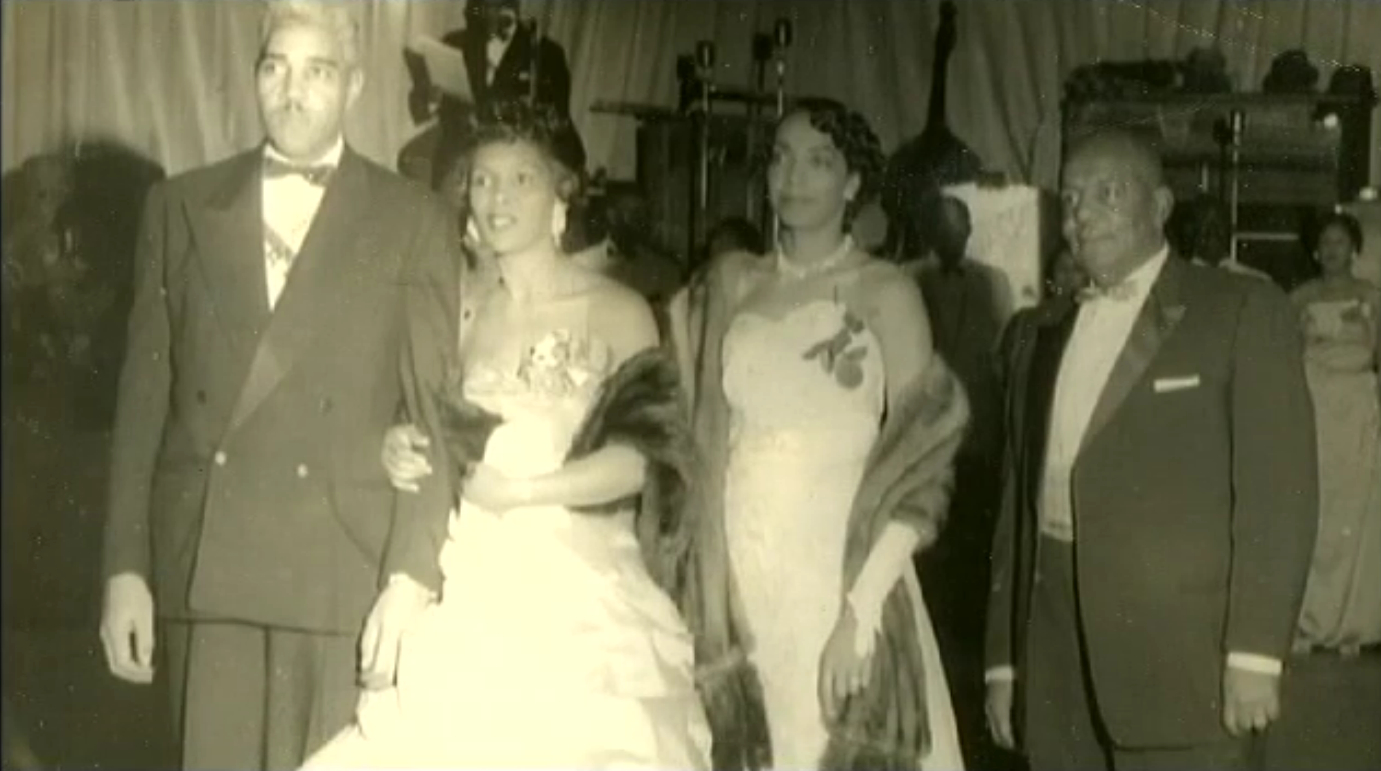
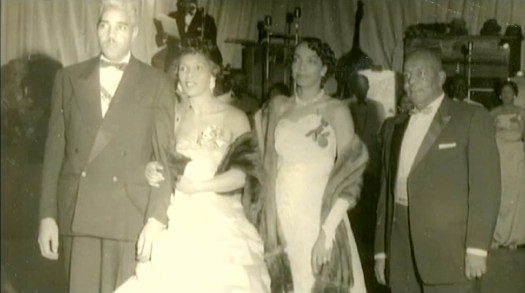
In 1959, Claxton was named Tampa’s Citizen of the Year, honoring his contributions to culture, business, and the community. He supported youth programs, local schools, and fellow performers, and contributed to improvements in West Tampa. His work often served as a form of activism, breaking racial barriers through Harlem in Havana and Claxton Manor, and creating opportunities for Black and Latin communities during segregation.

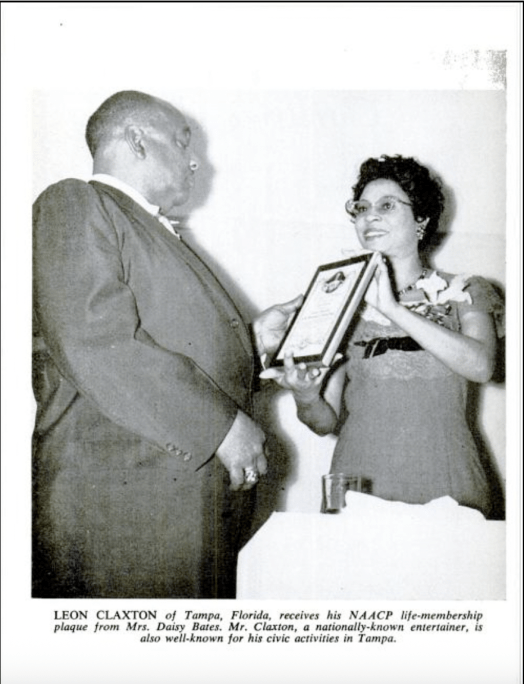
In the early 1960s, Leon Claxton received an NAACP Lifetime membership plaque for his civic activities in Tampa. Claxton was frequently covered in local newspapers such as the Tampa Tribune and Florida Sentinel Bulletin, which recognized his contributions to entertainment, civic life, and community leadership. His prominence in the press reinforced his reputation as a key figure in Tampa’s cultural and social history.
Fraternal Leadership & Community Service
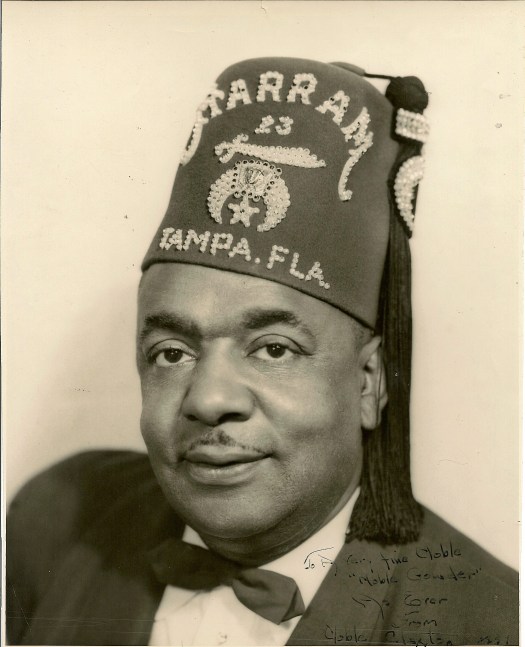
Claxton was an active leader in fraternal organizations. Family and community sources recognize him as one of Florida’s early Black Shriners, serving as a noble of Harram Temple #23, the Prince Hall Shrine organization in Tampa. He was respected for his Scottish Rite knowledge and ritual work, showing leadership in the African American fraternal community and contributing to charitable causes throughout Tampa.
Local Honors and Memorials
- Citizen of the Year (1959): Recognized for his civic and cultural impact.
- Claxton receives an NAACP Lifetime membership plaque from for his civic activities in Tampa, 1960.
- West Tampa Public Art — “Faces of West Tampa” Mural: Claxton is depicted among local pioneers at Salcines Park, highlighting his role in Harlem in Havana and the neighborhood’s cultural history.
- City Heritage Projects: Featured in West Tampa history initiatives and Black heritage documentation.
Legacy in Tampa Today
Leon Claxton shaped Tampa’s cultural and civic life through entertainment, hospitality, fraternal leadership, and philanthropy. Through Harlem in Havana, Claxton Manor, and his role at Harram Temple #23, he created spaces that celebrated cultural expression, connected communities, and opened doors for future generations.Tampa honors Claxton as a trailblazer who bridged art, community, and leadership, leaving a city forever enriched by his vision.
Read the full story about Leon Claxton.
Leon Claxton – Tampa Legacy Timeline
- Late 1930s – Arrival in Tampa / Show Train Life
Claxton and his Harlem in Havana troupe arrived in Tampa for winter seasons. Performers lived aboard show trains in Tampa, and traveled safely together during the Jim Crow era. - 1940s – Establishes Tampa Headquarters
Claxton purchased land and built his home at 1901 W. Grace Drive, which served as both a family residence and winter base for managing the show. - 1930s–1960s – Claxton’s Show Tours with Royal American Shows & Tampa Influence
Claxton produced the groundbreaking revue, bringing African American and Afro-Cuban music, dance, comedy, and showgirls nationwide, while keeping Tampa as his winter hub. - Winter Seasons (1950s–1960s) – Local Nightclub Influence
Claxton and his troupe were part of Tampa’s vibrant Black and Latin entertainment scene, performing during off-season in venues like Central Avenue clubs, contributing to the Chitlin Circuit legacy. - 1959 – Citizen of the Year, Tampa
Honored by the Coca Cola Bottling Company of Tampa, Florida for his cultural, business, and civic contributions. - 1960 –Claxton receives an NAACP Lifetime membership plaque for his civic activities in Tampa.
- 1965 – Opens Claxton Manor Motel
One of the first integrated hotels in Tampa–St. Petersburg, welcoming Black travelers and performers. - Mid-1960s – Fraternal Leadership
Active in Harram Temple #23 (Prince Hall Shriners) supporting charitable causes in Tampa. - 1940s–1960s – Tampa Millionaire Showman
Accumulated wealth from touring shows and property investments, becoming one of Tampa’s earliest Black millionaires. - Present Day – Legacy & Honors
The Harlem in Havana Project is actively reviving Claxton’s legacy, bringing awareness to his groundbreaking shows, cultural influence, and community leadership. Claxton is also featured in the West Tampa “Faces of West Tampa” mural, city heritage projects, and other cultural initiatives that celebrate and preserve his contributions.
 HARLEM IN HAVANA