
Leon Claxton’s HARLEM IN HAVANA REVUE




View more images in the photo gallery.
The Harlem Revue (1960–1967): A Legacy of Resilience and Reinvention
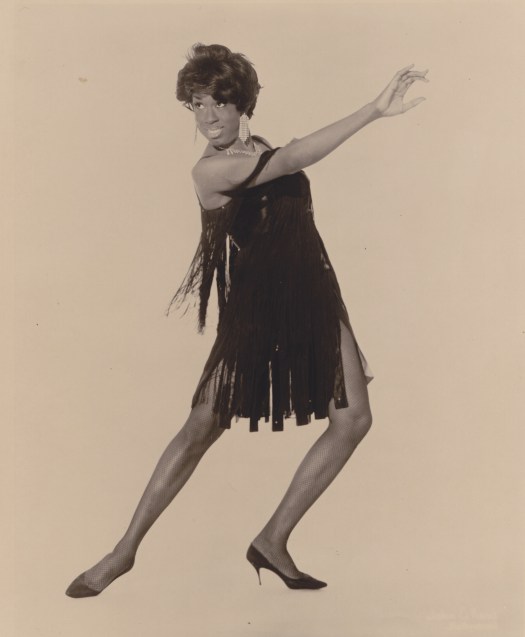
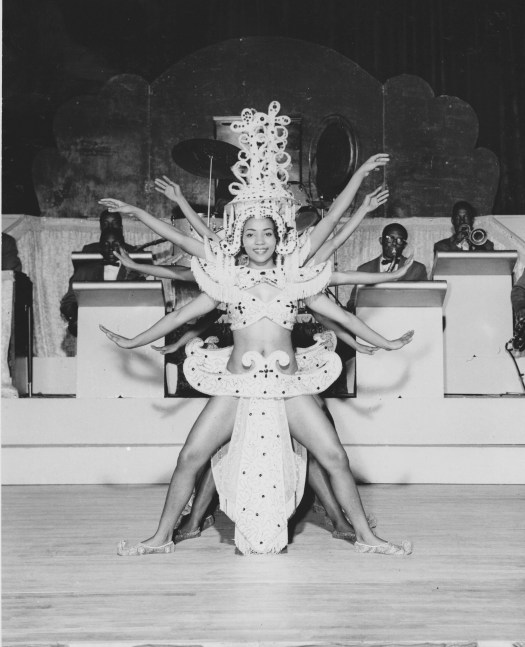
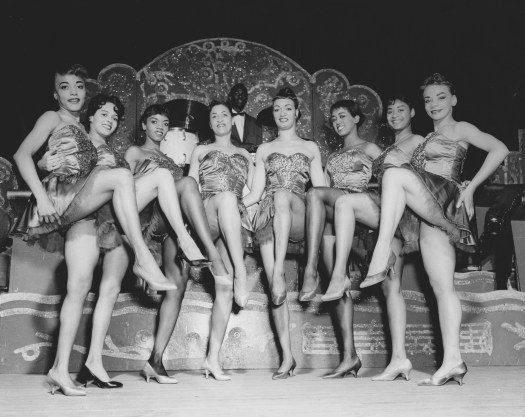
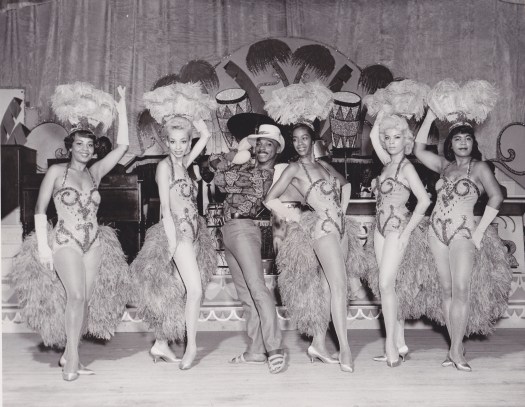
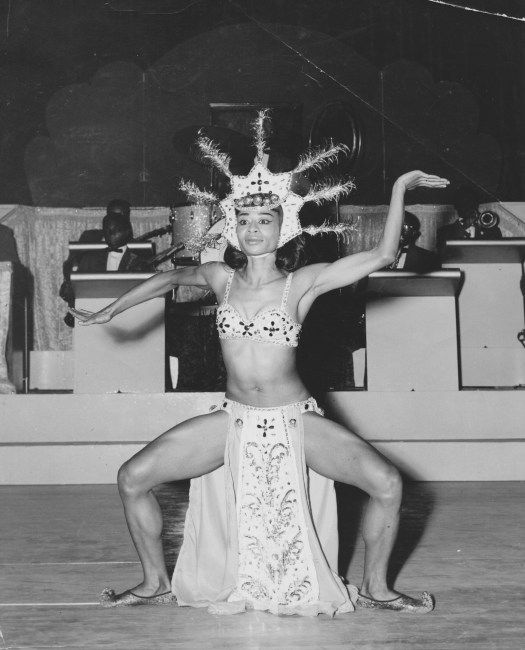
As the 1960s ushered in a wave of social and political upheaval, Leon Claxton adapted his iconic Harlem in Havana into The Harlem Revue, reflecting the changing times. The U.S.–Cuba severance in 1960 significantly impacted the show’s roster, as Cuban performers faced restrictions that prevented them from touring. Claxton pivoted, bringing in fresh talent like The Five Pennies, as well as groundbreaking artists like Kim Gaye, a celebrated striptease performer, and Greta Garland, a pioneering female impersonator who captivated audiences with their artistry.
The Harlem Revue remained a carnival highlight, continuing to dazzle audiences with its dynamic mix of calypso, limbo, jazz, and theatrical flair. However, the toll of political and social changes, coupled with Claxton’s personal health struggles, led to his decision to retire the show in 1967.
The closure of The Harlem Revue marked the end of an era, but Claxton’s legacy endured. His groundbreaking work opened doors for countless Black performers and entrepreneurs, proving that art and innovation could break through even the most entrenched barriers of discrimination. Today, his story serves as a powerful reminder of the resilience, creativity, and enduring impact of Black artistry in shaping American culture.
- Read the list of the Troupers
- Learn about the cities played.
- Learn about the documentary film.
- View more images in the photo gallery.
- Contact us to learn more.
 HARLEM IN HAVANA