
Leon Claxton’s HARLEM IN HAVANA REVUE


View more images in the photo gallery.
The Resilient Spirit of Harlem in Havana in the 1950s
The 1950s marked Harlem in Havana’s transformation into a dazzling Afro-Cuban spectacle, where the fiery rhythms of mambo, salsa, and Cuban jazz ignited the stage. Amid the shifting political landscape of the Cuban Revolution, Leon Claxton set his sights on Havana, recruiting top Cuban talent and infusing the show with the island’s rich musical traditions.
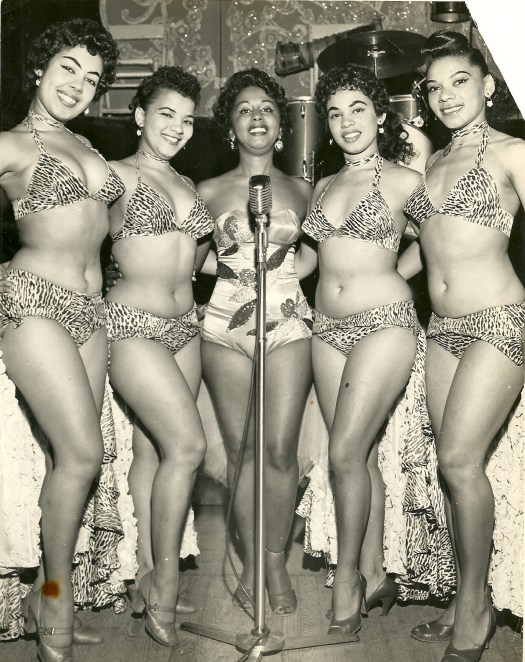
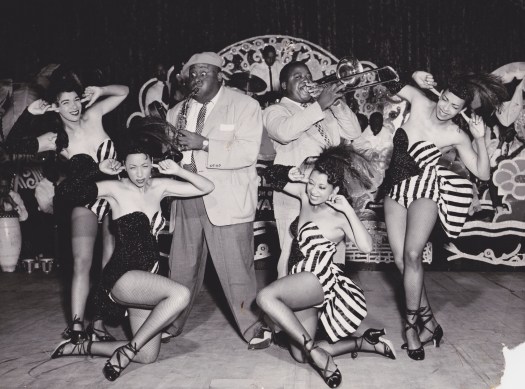
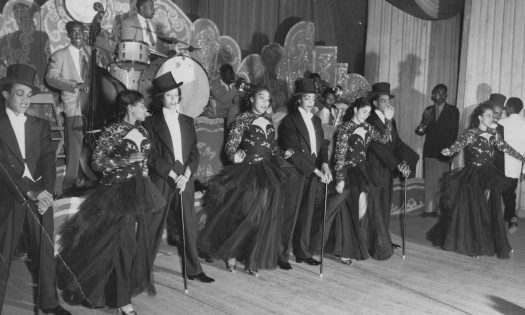
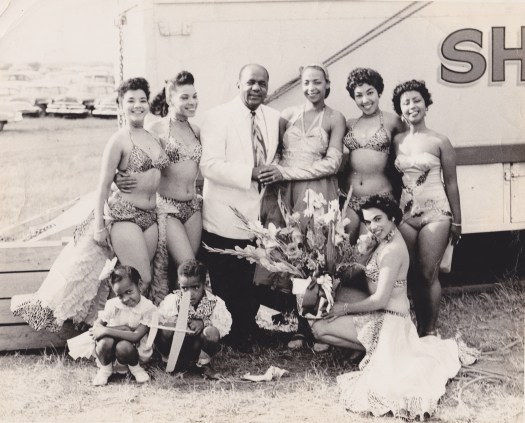
This wave of Cuban artistry brought electrifying new energy. Stars like Mercedes Valdés and The Cuban Dancing Dolls and renowned rumba dancers Mario and Pitucha—fresh from Havana’s famed Tropicana—dazzled audiences with their intoxicating fusion of African and Caribbean dance. Adorned in elaborate costumes that embodied the rhythm of two cultures, they captivated crowds across the U.S. and Western Canada.
During this era, Harlem in Havana reached the height of its fame, becoming a cultural powerhouse where African American blues met Latin percussion. The result was a borderless, groundbreaking sound that reshaped American entertainment. The show had a profound impact on Black and Latino identity, challenging stereotypes and transforming perceptions—especially in the Jim Crow South.
By the mid 1950s, African Americans were increasingly challenged segregation and demanded their rights as full citizens, and the Civil Rights Movement gained momentum. While federal courts began dismantling the Jim Crow laws that upheld racial discrimination, southern states retaliated with alternative restrictions that deeply impacted industries like the outdoor carnival world.
One such law, Louisiana’s Jim Crow Circus Tickets statute, mandated separate ticket offices, entrances, and seating for Black and white patrons, ensuring a physical distance of no less than 25 feet between these facilities. Other laws required venues like theaters, opera houses, and shows to enforce racial separation with designated seating areas. These restrictions were particularly harsh for traveling carnivals, forcing Harlem in Havana, the flagship show of Royal American Shows, to navigate a landscape fraught with hostility and danger.
To comply with the laws and mitigate tensions, Claxton sometimes divided his tent with a thin rope to separate Black and white audiences. Yet even this measure wasn’t always enough. In some states, “Negro Day” became a designated time for Black patrons to attend, typically on Thursdays. When this didn’t suffice, states like Mississippi hosted completely separate Negro State Fairs to accommodate the demand. Despite these obstacles, Harlem in Havana thrived, attracting billions of fans from all races. The show shattered industry records, surpassing its “white” competition in audience size and revenue.
The Power of Performance
By the late 1950s, Harlem in Havana had become both a beacon of hope and a lightning rod for change. The press acknowledged its influence, with Billboard Magazine noting in 1959 that tensions in the South seemed to ease, judging by the show’s overwhelming success.
Claxton’s tent overflowed with audiences eager to witness performances that celebrated Black and Cuban artistry. Iconic acts included the electrifying Kit Kats, a husband-and-wife dance team, and the high-energy rock-and-roll group The Five Pennies. Dancers like Shon McGowan and The McGowan Dancers captivated crowds with their exotic and modern moves, while vocalists such as Gilbert Nelson and Mickey Lynn left audiences shouting for encores. Comedians Billy Allen and the duo Patterson & Jackson kept audiences roaring with laughter, proving that Claxton’s revue was more than a spectacle—it was a transformative cultural force.
A Legacy of Pride and Representation
For many African Americans, attending Harlem in Havana was a rare and exhilarating experience. Amidst a backdrop of segregation and racial strife, Harlem in Havana remained a symbol of resilience, artistry, and unity. Claxton’s vision continued to inspire, challenging societal norms while providing a platform for Black and Latino performers to shine. However, as political shifts in Cuba altered the entertainment landscape, Harlem in Havana evolved, reemerging in the 1960s as The Harlem Revue.
- Read the list of the Troupers
- Learn about the cities played.
- Learn about the documentary film.
- View more images in the photo gallery.
- Contact us to learn more.
 HARLEM IN HAVANA