
Leon Claxton’s HARLEM IN HAVANA REVUE
View more images in the photo gallery.
Step into the Electrifying World of Harlem in Havana
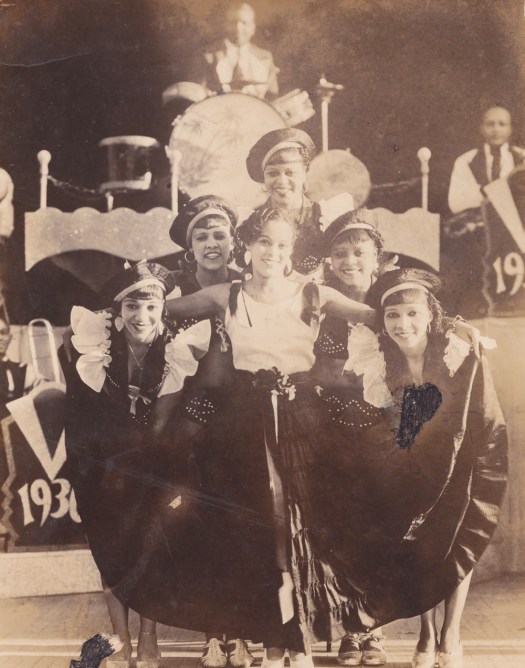
In the 1930s, while other carnival acts relegated Black performers to demeaning “darky” roles, Claxton envisioned a show that celebrated Black artistry in its full, unapologetic glory. Debuting in 1936 as Brown Skin Vanities before evolving into Harlem in Havana in the mid 1940s, Claxton’s revue broke racial barriers and shattered expectations, setting a new standard for Black excellence in entertainment.
In the 1940s, Harlem in Havana stood as a source of multicultural celebration, blending the finest elements of Black music, dance, and comedy. Claxton’s revue boldly exemplified resilience, creativity, and excellence during an era of stark segregation. His cast was a meticulously curated mix of the most stunning brown-skinned showgirls, accomplished musicians, and electrifying dancers, creating a fusion of art forms that transcended racial boundaries.
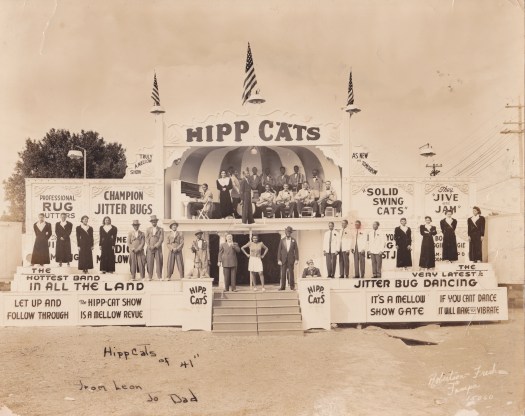
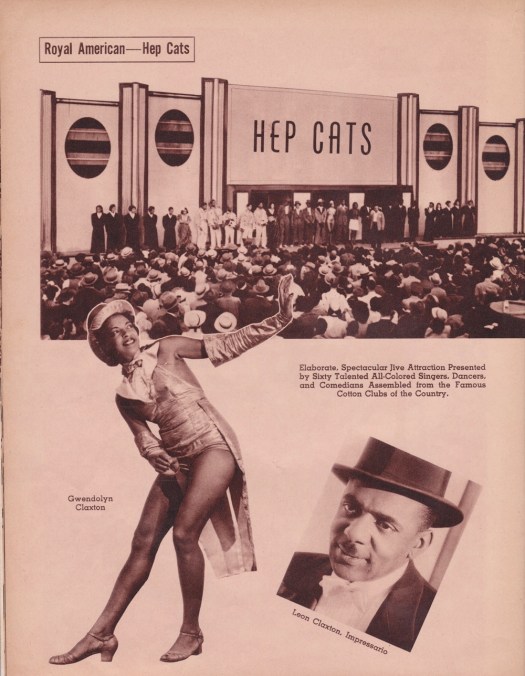
Leon Claxton’s Hep Cats Revue was a frenetic celebration of jitterbugging and bebop embodied the youthful, high-energy spirit of the era. Marketed as a “jive attraction,” the revue became synonymous with the burgeoning swing culture that was taking America by storm. The act boasted a lineup of “Champion Jitter Bugs” and “Solid Swing Cats,” whose electrifying moves captured the pulse of Harlem nightlife.
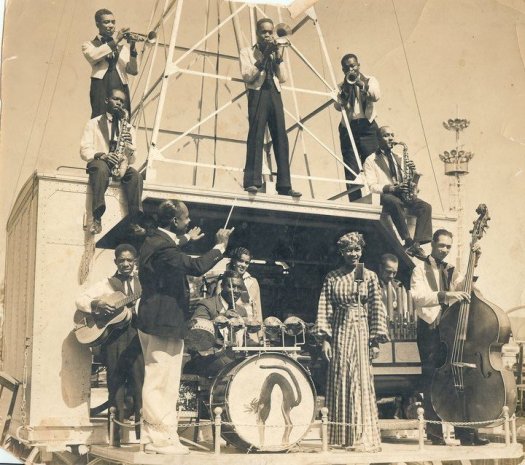
Complementing the dancers was an orchestra that many claimed rivaled the very best bands of the era, channeling the artistry of jazz legends like Dizzy Gillespie. Claxton’s Hep Cats Revue was a celebration of Black innovation in music and dance, bringing the rhythms of Harlem to carnival audiences across North America.
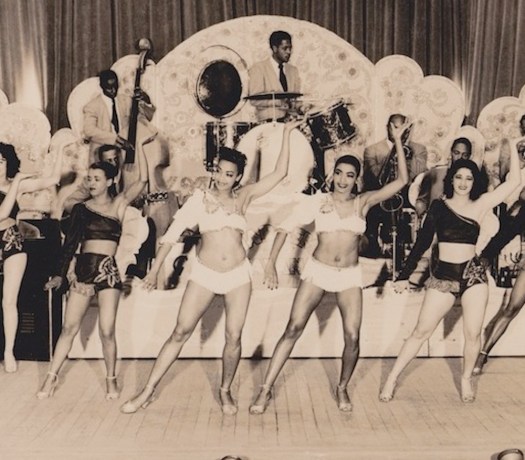

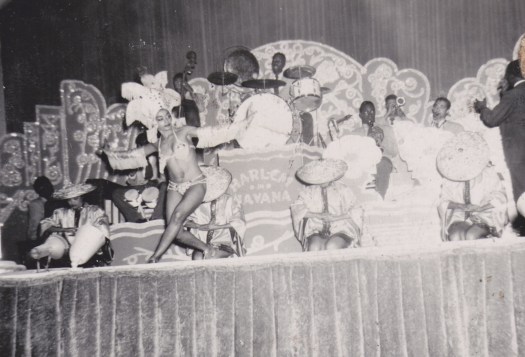
Among the era’s brightest stars were The Bates Sisters—Delores (a shake dancer), Gwendolyn (lead dancer,choreographer and co-manager), and Shirley (chorus girl lead dancer)—who redefined Black dance with their mesmerizing shake, exotic, and burlesque routines.
From Chorus Girl to Lead Dancer: The Rise of Shirley Bates
Shirley Bates—an epitome of Black elegance and strength—rose from a chorus girl to the lead dancer of Harlem in Havana. She embodied the essence of early exotic dance, breaking barriers and redefining the role of brown-skinned women in the entertainment industry. Through her artistry, she transcended limitations, proving that Black women belonged center stage—not just as performers, but as icons of sophistication and power. Her performances exuded grace, strength, and undeniable presence, inspiring generations of dancers who followed in her footsteps. Read more.
As stars of Claxton’s all-colored midway shows, the Bates Sisters shattered racial barriers and left an enduring mark on American entertainment. Their artistry was a statement of pride, resilience, and cultural excellence.
Even as the world grappled with the turmoil of World War II, Harlem in Havana’s performers persevered. State fairs and carnivals faced cancellations due to wartime challenges, including manpower shortages and rationing, but Claxton’s troupe adapted. They continued to provide a much-needed escape for civilians and soldiers alike. The wartime era also saw Claxton’s innovative spirit shine.
Inspired by the growing popularity of Afro-Cuban jazz, Claxton frequently traveled to Havana, scouting fresh talent to keep his show dynamic. His efforts culminated in the Cuban Rum Boogie Revue, a midnight jamboree that introduced North American audiences to the fiery rhythms of conga drums, rumba dancers, and Latin jazz. The act’s pulsating beats and vibrant choreography captivated audiences, setting a new standard for multicultural entertainment.
By the late-1940s, Harlem in Havana had firmly established itself as a trailblazing cultural institution. The revue not only entertained but also broke barriers, creating rare opportunities for performers of color at a time when such platforms were almost nonexistent. Claxton’s vision paved the way for a richer, more inclusive entertainment landscape, leaving an indelible mark on the midway stages of North America.
- Read the list of the Troupers
- Learn about the cities played.
- Learn about the documentary film.
- View more images in the photo gallery.
- Contact us to learn more.
 HARLEM IN HAVANA